
October is a month of powerful reminders. Pink ribbons call our attention to breast cancer, while purple ribbons symbolize the fight against domestic violence. Both represent causes that touch families, disrupt lives, and leave lasting impacts on our communities. But beyond the ribbons, awareness months must remind us of something more important: the lives behind the causes, the families forever changed, and the work that remains to protect and support those affected.
For me, breast cancer awareness is deeply personal.
I know the pain of losing someone I love to this disease. My sister-in-law, Carolyn Y. Adams, former Illinois Lottery Superintendent, lost her battle with breast cancer in 2007. Carolyn was a respected leader whose work extended beyond her professional accomplishments. She understood that fighting breast cancer required more than hope; it required advocacy, resources, research, and a commitment to making a difference.
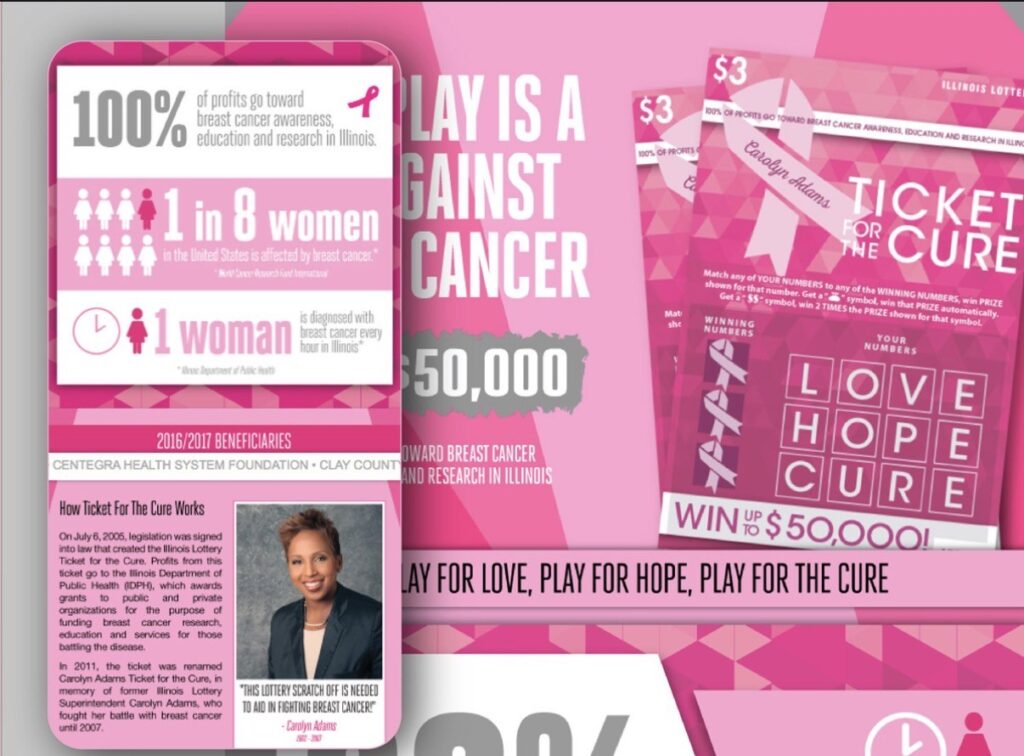
During her tenure as superintendent, Carolyn helped advance the legislation that led to the creation of Illinois’ Ticket for the Cure. First launched in 2006, the initiative was renamed the Carolyn Adams Ticket for the Cure in 2011 to honor her legacy. Proceeds from ticket sales support breast cancer research, education, and awareness efforts throughout Illinois. Her advocacy continues to make a difference long after her passing.
That is the power of purpose. Carolyn’s life ended, but the work she helped advance continues.
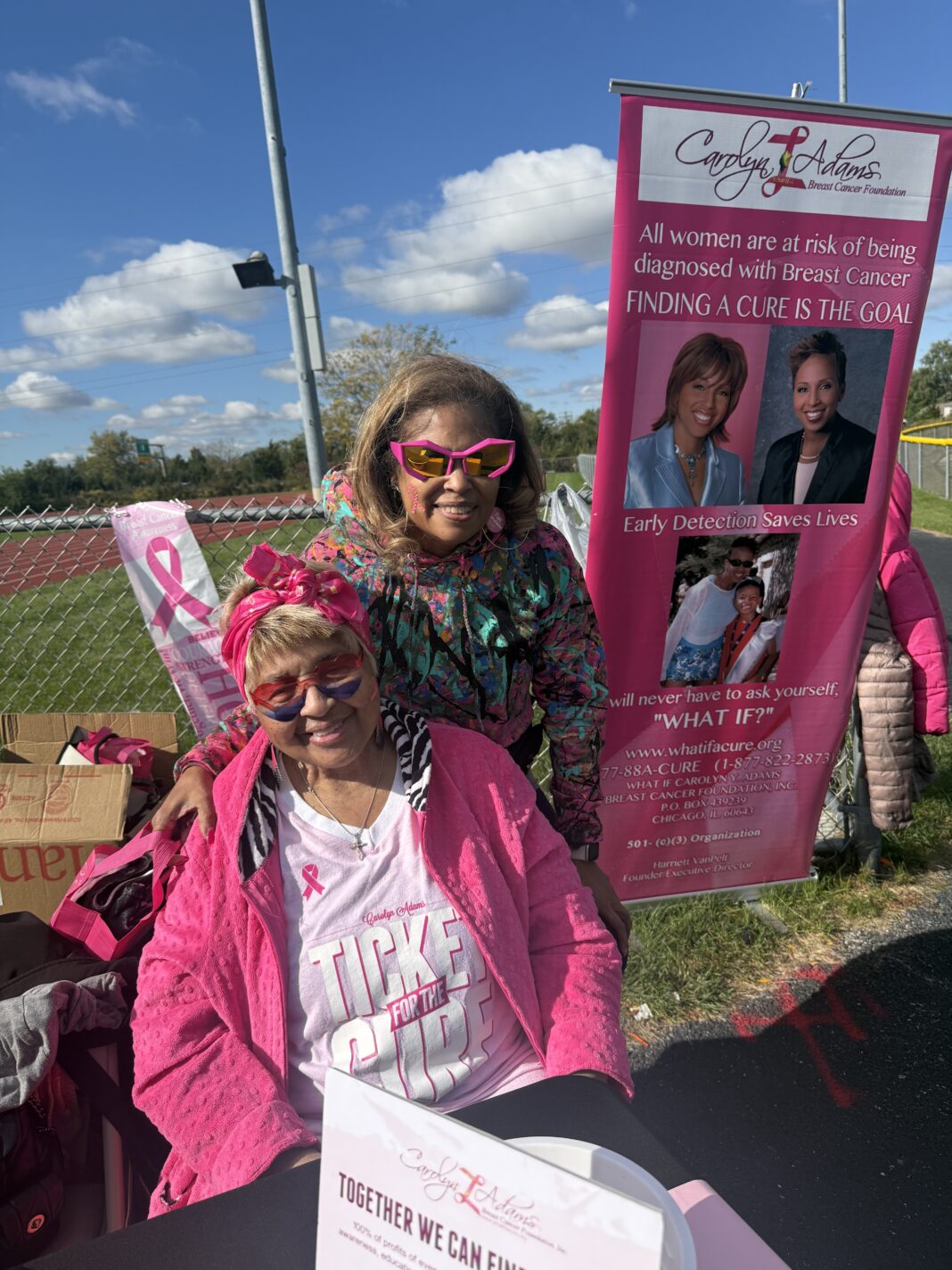
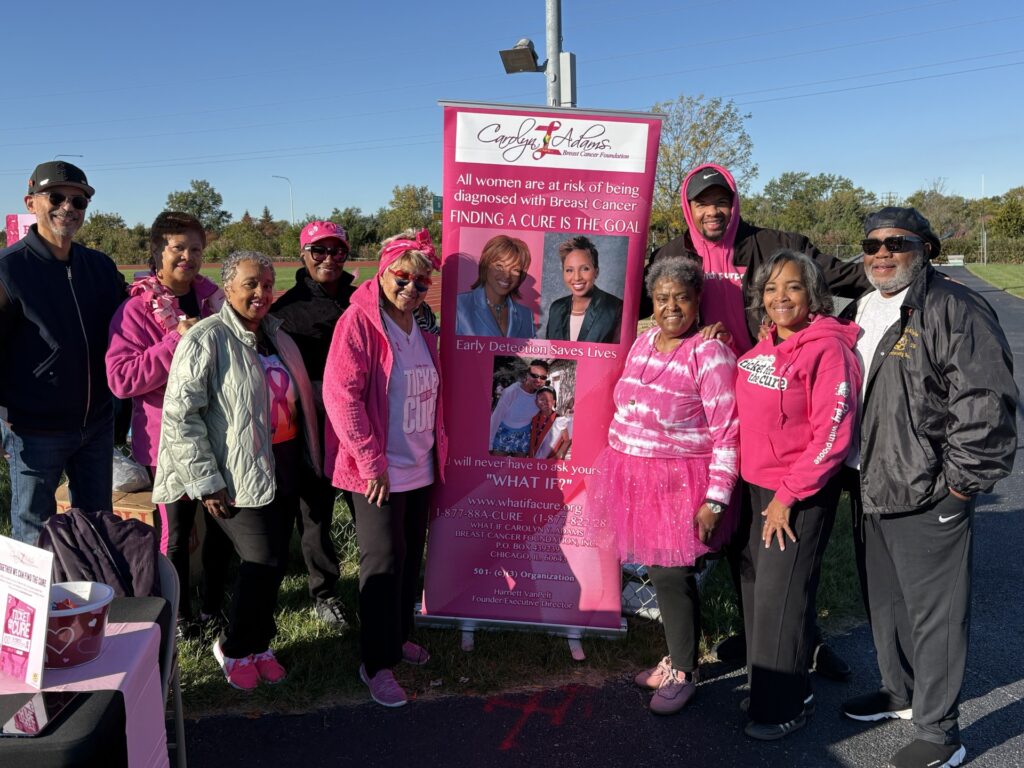
Her legacy also lives through the What If…Carolyn Y. Adams Breast Cancer Foundation, established in her memory and founded by her mother, Harriett Van Pelt. The foundation champions early detection, equitable access to mammography, quality treatment, and support for individuals regardless of their social or economic circumstances. Its vision also includes scholarships to help ease the emotional and financial burdens experienced by children who have lost a parent or primary provider to breast cancer.
The foundation embodies a question that carries Carolyn’s spirit forward: What if we could change the outcome for someone else? What if access to screening did not depend on income? What if every person facing a diagnosis received timely, quality care? What if fewer families had to experience the heartbreak mine knows?
These are not merely hopeful questions. They are challenges we must continue working to answer.
The urgency is especially clear in the African American community. According to the American Cancer Society’s 2025 report, Black women are 38% more likely to die from breast cancer than White women, despite being slightly less likely to be diagnosed. These disparities reflect a complex combination of factors, including differences in access to timely, high-quality treatment and barriers to completing care.
Behind every statistic is a mother, daughter, sister, wife, friend, or colleague whose future matters. Early detection, appropriate screening, timely follow-up, and access to quality treatment can make a difference. We must encourage the women we love to prioritize their health, ask questions, follow up on abnormal results, and seek care when something does not feel right. We must also advocate for systems that make quality care accessible to everyone.
October also brings attention to another crisis that too often remains hidden behind closed doors: domestic violence.
Domestic violence is not limited to physical abuse. It can involve emotional manipulation, threats, coercive control, financial abuse, and isolation from family and friends. Survivors may remain silent because of fear, shame, financial dependence, concern for their children, or the belief that they will not be believed or supported.
For African American women, these challenges can be compounded by economic inequities, limited access to culturally responsive services, and concerns about the consequences of seeking help. The Centers for Disease Control and Prevention’s 2016–2017 National Intimate Partner and Sexual Violence Survey found that more than half of non-Hispanic Black women surveyed reported experiencing contact sexual violence, physical violence, or stalking by an intimate partner during their lifetimes.
This reality demands compassion, not judgment. No one should have to choose between personal safety and financial survival, or between speaking out and protecting their family. Survivors deserve to be heard, believed, and connected with resources that respect their circumstances and support their decisions.
We must also challenge the silence that allows abuse to continue. Checking on loved ones, recognizing warning signs, supporting survivor-centered services, and helping people access safe resources can make a meaningful difference. Most importantly, we must create environments where asking for help is met with understanding rather than blame.
Breast cancer and domestic violence are distinct challenges, and neither should be minimized by comparison. Yet both remind us that awareness alone is not enough. We need education, access, advocacy, compassion, and sustained community commitment.
As a media publisher, I recognize the responsibility we carry to tell stories that inform, uplift, and move people toward meaningful action. As a woman and a family member who has experienced the loss of someone dear to me, I understand that these issues are never simply headlines or statistics. They are personal. They are about our families, our neighbors, our colleagues, and the people whose lives intersect with ours every day.
Carolyn’s legacy reminds me that one person’s determination can create a lasting impact. Her name on a lottery ticket, the foundation established in her memory, and the lives touched by continued breast cancer advocacy are evidence that purpose can outlive a person’s physical presence.
This October, I encourage you to do more than wear pink or purple. Schedule the screening you have postponed. Check on someone you love. Support organizations doing the difficult work of serving patients and survivors. Share information that could help someone recognize a warning sign or find a safe path forward. Advocate for equitable healthcare and accessible support services.
And if you are struggling, please know that you deserve care, dignity, safety, and support.
Let us honor those we have lost by caring for those still here. Let us replace silence with understanding, awareness with action, and good intentions with meaningful change.
Because the ultimate measure of awareness is not the ribbon we wear. It is the lives we help protect, the people we support, and the legacies we carry forward.
In memory of Carolyn Y. Adams and in honor of every life touched by breast cancer and domestic violence. May we continue asking, “What if?” and have the courage to help make the answer a better one.