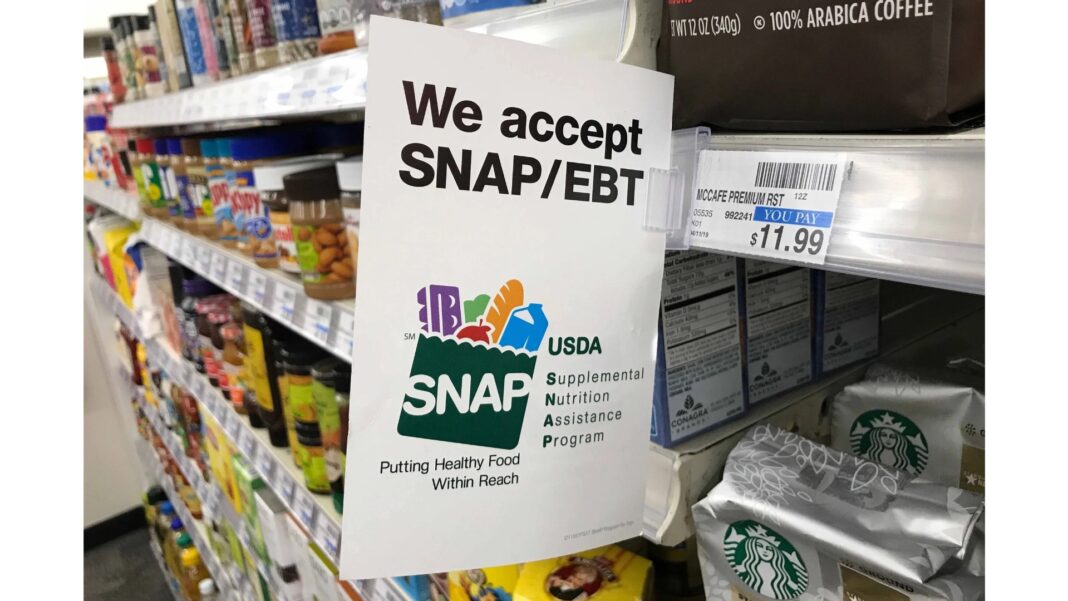

Hundreds of thousands of Illinois residents have lost access to the Supplemental Nutrition Assistance Program (SNAP) following sweeping federal policy shifts enacted last year. Data shared by the Greater Chicago Food Depository indicates that approximately 450,000 fewer people are enrolled in the program across the state, a decline of 24 percent that includes more than 100,000 children. This reduction amounts to an estimated loss of 1.25 billion dollars in federal food assistance, intensifying the challenge for households already navigating rising living costs. Recent reports show that one in three Chicago households now face food insecurity, pushing the burden of care onto a charitable food system that cannot feasibly replace the scale of federal support.
State and community leaders gathered at the Greater Chicago Food Depository on Tuesday to discuss the deepening crisis and the state’s efforts to mitigate the harm. Kate Maehr, executive director of the organization, emphasized that while food banks provide essential support, they are not a substitute for federal infrastructure. She noted that for every meal provided by a food bank, the federal program historically provided nine. Maehr stressed that the federal government is dismantling a critical tool during a period of elevated prices, leaving local institutions to cover a gap that continues to expand beyond their capacity.
Illinois lawmakers have responded to the shortfall by launching the Families Receiving Emergency Support for Hunger program, which offers one-time 400 dollar grants to residents who lost benefits due to updated federal work requirements. During Tuesday's event, the state received recognition for this initiative, with Governor JB Pritzker accepting the 2026 Hunger Action Leadership Award on behalf of his administration. Deputy Governor Grace Hou, who accepted the award on the governor's behalf, stated that the state will continue to work to mitigate the effects of the federal budget reconciliation bill. She added that officials are committed to defending Illinois families against the loss of basic resources.
Legislators who championed the emergency aid program were also recognized for their work in responding to the benefit loss. State Senator Elgie R. Sims Jr. and State Representative Dagmara Avelar received awards for their role in creating the assistance package, which has provided aid to more than 175,000 people. Senator Sims remarked that the state has a fundamental responsibility to ensure residents can eat, even when federal policy decisions remove the support they rely on. Representative Avelar noted that while the program is a vital tool, it is only a temporary measure against an ongoing erosion of the social safety net. Looking ahead, the state faces a significant financial challenge as the new funding structure could force Illinois to absorb 550 million dollars in annual costs starting in October 2028 to maintain local food assistance programs.