
By Tim King
When I taught in and led Catholic schools, I saw what families sacrificed to give their children a private education.
I’m not talking about affluent doctors, lawyers and financiers paying tens of thousands. I’m talking about Black single mothers working two jobs to make ends meet while cobbling together a couple hundred dollars a month to secure the best education they could afford. For those parents, school choice was not an abstract policy debate. It was a tuition bill they struggled to pay because they believed it would give their children a better future.
That’s why I’ve always supported vouchers for low-income students. Parents shouldn’t have to be wealthy to choose where their children go to school.
I’ve also led and supported Chicago public schools. So I understand concerns about vouchers drawing students and funding away from struggling schools. And I know public schools need more resources.
But supporting school choice doesn’t have to mean opposing public education.
The Federal Scholarship Tax Credit, enacted under President Donald Trump last year, provides a great example. Beginning in 2027, eligible taxpayers can claim a federal credit of up to $1,700 for donations to approved scholarship organizations. States must opt in for their students to benefit. Illinois has yet to do so.
Sure, the scholarships can pay private-school tuition. But unlike traditional vouchers, they can also pay for tutoring, books and other eligible expenses for students in public schools. A CPS student could get help with reading or math without leaving their CPS building. Proposed federal rules even allow payments directly to public schools for qualifying expenses.
And parents don’t have to donate for their children to receive scholarships. That’s an important distinction when we’re talking about families struggling to make ends meet.
The scholarships wouldn’t require taking money from CPS’s existing budget, Chicago property taxes or Illinois education appropriations. The federal tax credit supports private donations and exists whether Illinois participates or not.
Yet none of the three candidates for president of Chicago’s first fully elected school board expressed support for the program at an October 14 forum.
Hilario Dominguez, backed by Mayor Brandon Johnson and the Chicago Teachers Union (CTU), opposed participation, invoking Trump and objecting to public dollars going to private institutions.
Victor Henderson, supported by U.S. Reps. Danny K. Davis and Robin Kelly and prominent Black faith leaders, withheld judgment, saying he needed more details about Illinois implementation.
Jessica Biggs, endorsed by the SEIU Illinois State Council, declared herself “a firm no,” adding, “Public dollars should go for public goods. Period.”
But isn’t helping a CPS student learn to read a public good? Isn’t getting resources to CPS students the point of leading the Chicago Board of Education?
Interestingly, many Black Illinoisans seem to see the opportunity differently than the candidates. In August, the Chicago Defender reported that a statewide poll conducted by Impact Research found 75% of Black Illinoisans surveyed supported Illinois opting into the program.
Illinois could learn something from New York’s Democratic governor, Kathy Hochul. She’s no fan of President Trump, and she was endorsed by her state’s largest teachers union. But on October 9, she announced that New York would participate in the program, despite that same union’s opposition.
“I’m not going to leave money on the table when it could help our kids,” she said. She also secured business leaders’ commitments to support public-school students through the program.
New York didn’t have to agree with Trump’s education agenda to recognize an opportunity to help its kids. Neither should Illinois.
Imagine Chicago’s business and philanthropic leaders supporting a scholarship organization that provides reading and math tutoring to CPS students, particularly in communities where families have long struggled to access additional academic support. Donors get a federal tax credit. Students get extra help. For that matter, the CTU could partner with CPS and a qualified scholarship organization to offer after-school tutoring, with its teachers paid for the extra work.
The Chicago Board of Education is always asking Springfield for more money. Well, here’s an opportunity to bring additional resources to CPS students without taking a dime from CPS’s budget or Illinois’ education appropriations.
The candidates may not get to decide whether Illinois participates, but they certainly have a voice in Springfield. Whether they’ve opposed the program or withheld judgment, they should be explaining how CPS students could benefit and making the case for Illinois to participate.
The moms I knew who somehow found the money to send their kids to private schools weren’t trying to win ideological battles. They wanted help educating their children. With the school board election approaching, CPS families deserve leaders focused on the same thing.
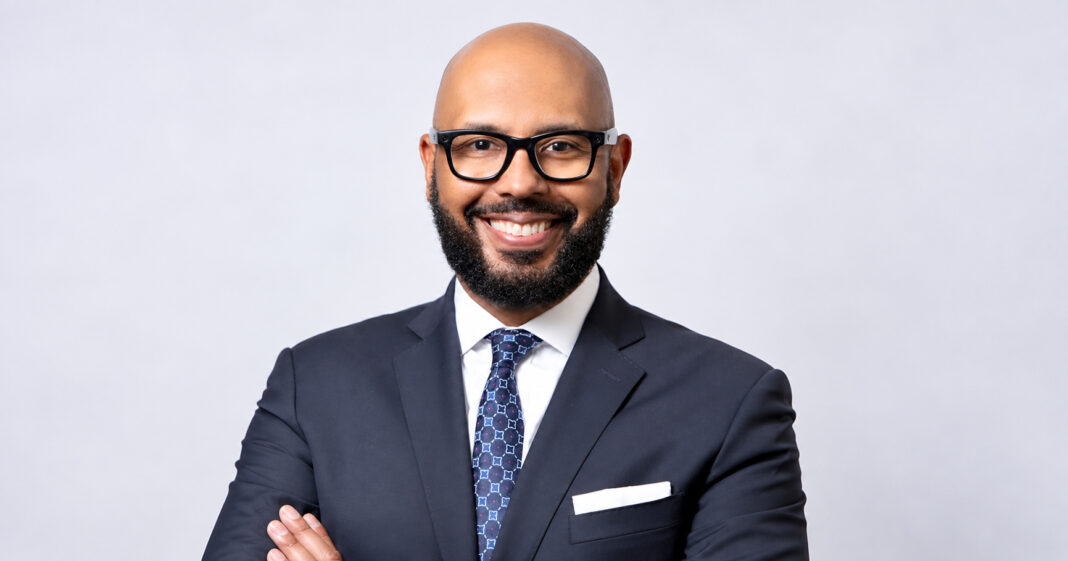
Tim King is an educator, nonprofit leader and founder of Urban Prep Academies, which operates the country’s first all-boys public charter high school in Chicago.