
For more than 38 years, Lawndale Christian Development Corporation (LCDC) has remained committed to serving the community. Standing firmly on its mission, which “aims to fulfill the call to justice in Micah 6:8 by collaborating with the community to eliminate health and wealth disparities, developing affordable mixed-use housing, creating homeownership opportunities, and building cooperative businesses.”
Embedded in its culture is a reputation for building and developing sustainable communities is their commitment to youth by meeting them where they are, while helping them grow beyond their circumstances. The organization strives to empower young people to become strong, independent thinkers capable of leadership, sound decision-making, and positive community impact.
As a staple on Chicago’s West Side, LCDC has experienced significant growth while continuing to impact the lives of countless families. Through a holistic, 360-degree approach, the organization works to ensure that the entire family benefits from its programs and services.
Even amid its many successes, LCDC recognizes that challenges remain. Those challenges have helped inspire a transformative vision for the future of North Lawndale and Little Village through investments centered on youth development and community engagement.
With gratitude and excitement, LCDC recently announced that it is a recipient of the Lonhengrin Foundation’s Thriving Youth, Stronger Communities Initiative. The award will bring a combined $15 million investment to North Lawndale and Little Village, with LCDC receiving $10 million and Erie Neighborhood House receiving $5 million.
LCDC plans to invest its funding into the One Lawndale Recreation Center, while Erie Neighborhood House will utilize its funding to strengthen programming and services in Little Village. The investment represents far more than dollars. It is an opportunity to create lasting change for young people, families, and entire communities.
For Erie Neighborhood House, whose mission is “to empower our community—Latinx immigrants alongside individuals and families of all backgrounds—through education, access to critical services and advocacy, working together to create a just and inclusive society,” the funding will strengthen efforts already underway to support residents and families. The investment in Little Village will undoubtedly create positive change. Not only will it impact that community directly, but it will also strengthen neighboring North Lawndale, creating a broader ripple effect across Chicago’s West Side.
The developments planned by both organizations, particularly LCDC’s One Lawndale Recreation Center, aim to redirect energy into structured environments filled with opportunity, mentorship, recreation, and hope.
For LCDC, the vision is ambitious. The center will provide outlets through sports such as football, basketball, boxing, volleyball, and more. It will also offer dance, cheerleading, and other organized activities designed to support youth development and engagement. Community input played a vital role in shaping the project. Because LCDC values the voices of residents, leaders invited community members to share feedback on what they believe is needed most and why.
As a result, the project has been designed with the entire family in mind. The sports complex will provide wraparound support for youth, families, and the broader community. It will also help drive economic development through construction opportunities, contractor partnerships, direct employment, vendor relationships, and future programming opportunities.
The Lonhengrin Foundation grant opens the door to countless opportunities for young people to thrive. It represents more than an investment in sports. It is an investment in community engagement, relationship-building, leadership development, teamwork, and long-term success.
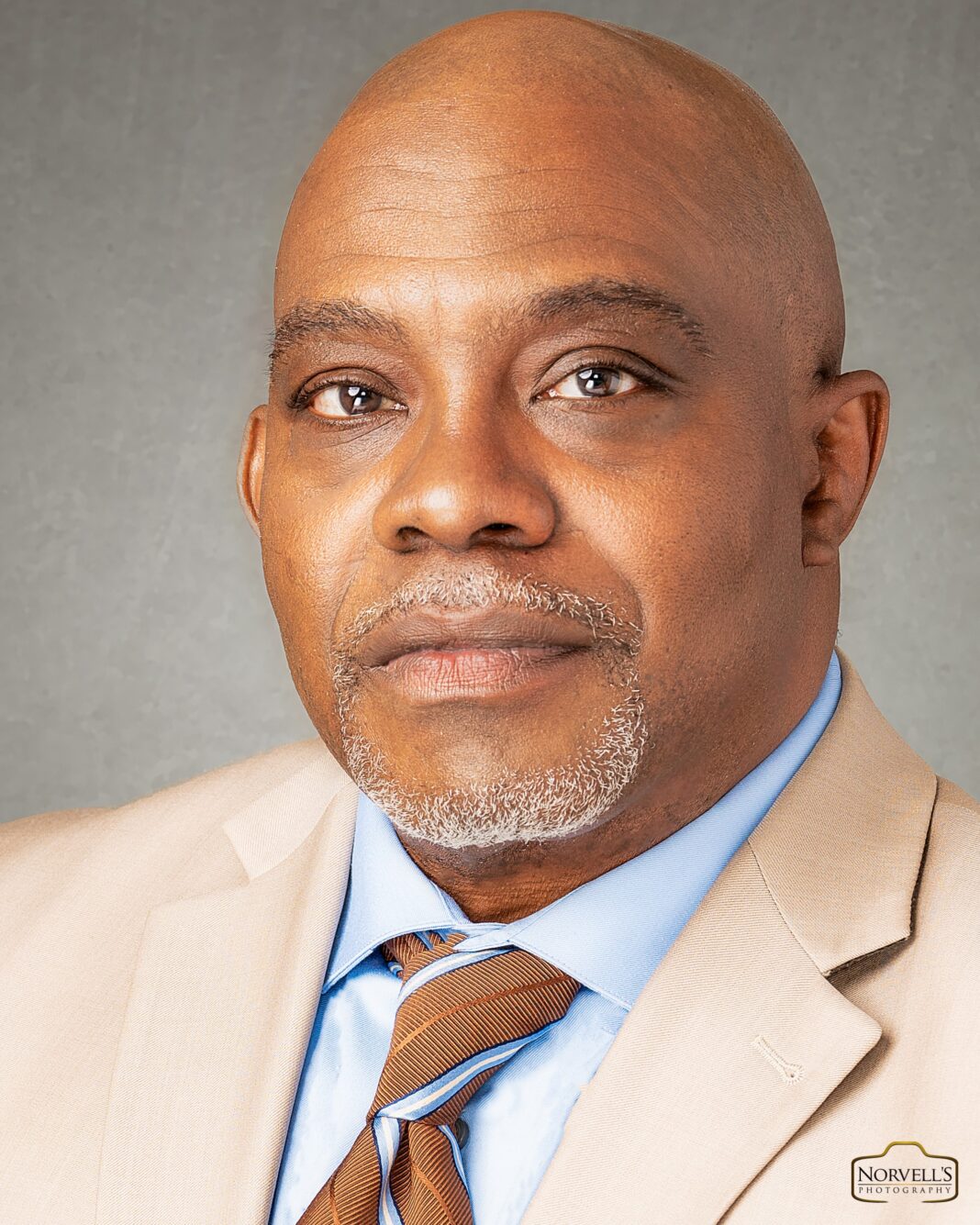
To learn more about what’s happening at LCDC, Chicago Defender sat down with two leaders from Lawndale Christian Development Corporation—Dr. Richard Townsell, executive director, and Whitney Smith, deputy director and general counsel—to discuss the impact of the investment and the future of One Lawndale Recreation Center.
In speaking with them, it was evident through their excitement, passion, and commitment to the community just how meaningful this opportunity is. Both leaders expressed tremendous optimism about the possibilities this investment will create for the youth and families they serve, and for what they believe will become a transformational asset for the entire West Side.
Chicago Defender: How will this center directly impact or address violence prevention in the community?
Dr. Richard Townsell: We believe some of the best violence prevention comes from getting young people actively involved in meaningful activities rather than sitting around or planning teen takeovers downtown and other disruptive activities.
The One Lawndale Recreation Center will feature five basketball, volleyball, and pickleball courts; two turf fields that can be used for soccer, football, baseball, kickball, and flag football; a boxing gym; a wrestling facility; and community spaces where people can discuss nutrition, violence prevention, sports, and participate in game nights and community events.
We’ll also have concessions so parents can enjoy food and refreshments while waiting for their children. We believe this 120,000-plus-square-foot facility will be transformational. The center will sit on a five-acre site, with approximately three acres dedicated to the building and two acres for parking and landscaping. That’s what we’re most excited about.
Whitney Smith: It’s not just about treating the symptoms of violence. It’s about addressing the root causes. We’re proud to provide an option for young people and families to engage through physical activity and healthy outlets that create safety, leadership opportunities, and personal growth. We believe One Lawndale will become a foundational resource for youth in North Lawndale and throughout the West Side, helping them become engaged, civically minded members of the Chicago community.
Chicago Defender: What outcomes do you hope families will experience within the first year of operation? Even before the center opens, what voice or impact do community members have in ensuring it addresses their needs?
Dr. Richard Townsell: We intentionally built community input into the project’s infrastructure. Youth and community residents will have the opportunity to serve on the council that governs the sports complex, giving them representation in the leadership and stewardship of this important community asset.
One of our first goals is to build a beautiful, state-of-the-art facility. There is truly nothing like it in the third-largest school district in the country. There isn’t a single indoor field house in a Chicago public middle or high school. Meanwhile, nearly every suburban high school surrounding us has an indoor facility that residents can use year-round.
The Chicago Park District does a tremendous job and will be partnering with us on this project, but they would be the first to tell you they need additional capacity to engage the number of young people who need these opportunities.
Chicago Defender: Beyond sports, can you walk us through other types of programming that will be offered year-round?
Dr. Richard Townsell: In addition to sports, the center will feature flexible spaces for dance, arts programming, and countless opportunities for youth exploration and creativity.
More importantly, it will be a place that facilitates togetherness. I believe that sense of connection will help heal and strengthen North Lawndale and neighboring communities, including Little Village.
Chicago Defender: Earlier, you mentioned the importance of “losing gracefully.” I’d like to revisit that because many young people today struggle with loss and disappointment. How will mental health, mentorship, and leadership development be integrated into the center’s daily operations?
Dr. Richard Townsell: Young people don’t always understand that you might lose today and win tomorrow—or win today and lose tomorrow. Learning how to navigate those moments is important.
One of the biggest factors is being intentional about who serves as coaches and mentors. We need coaches who care not only about winning games but also about the lessons learned along the way.
The second piece involves parents. As a coach myself, I’ve seen parents try to live out their dreams through their children. We have to help families understand the value of the learning process as well. Naturally, team environments teach cohesion, cooperation, leadership, camaraderie, and support. These settings provide opportunities for young people to develop healthy mindsets and learn how to support both their own mental health and the well-being of their peers.
Whitney Smith: Through our partnerships, we support traditional mental health services and resources. However, we also want to create spaces where young people are met where they are. Play spaces and recreational environments often provide some of the most effective opportunities for children to develop coping skills, resilience, confidence, and healthy habits that will serve them throughout their lives.
Chicago Defender: How does the partnership with the Lonhengrin Foundation strengthen your ability to scale this impact?
Whitney Smith: Since the grant awards were announced, the Lonhengrin Foundation has truly walked alongside us. We view them as a model for what grantmaking should look like, not only in Chicago but across the country. The leadership of Mark Rodriguez has been exceptional. His commitment to collaboration, partnership, and helping us expand relationships with other organizations across the city has been invaluable.
We’re currently in the midst of a $57 million capital campaign. While One Lawndale is our flagship project, it is not our only project. We have a portfolio of initiatives in various stages of development, all designed to strengthen North Lawndale. Having a partner who understands the urgency of investing in communities, preventing displacement, addressing gentrification, and helping residents remain rooted in their neighborhoods is incredibly meaningful. That level of generosity and partnership is something we don’t often see in philanthropic spaces.
Chicago Defender: What does this milestone mean to you personally and to the community you serve?
Dr. Richard Townsell: As the parent of two athletes, I spent years driving my children all over the state to access quality training facilities. My daughter ran track, and we often traveled to Proviso West because of its indoor track facilities. My son wrestled, and wherever we went, it always seemed to be outside of our community.
I’m excited that future generations of young people won’t have to leave their neighborhood to access those same opportunities. Parents won’t have to spend all that time and money traveling elsewhere.To have a state-of-the-art facility right here in the community is incredible. If I had to describe what this means in one word, it would be “opportunity.” If I had three words, they would be “opportunity for togetherness.”
The One Lawndale Recreation Center is about far more than sports.
It is a place where young people can develop leadership skills, build confidence, learn teamwork and discover new opportunities. It is a space where families can gather, connect and grow together. It is also an investment in economic development, creating opportunities for entrepreneurs, vendors, contractors and local businesses.
More importantly, it represents something many communities have long advocated for: access. Access to quality facilities. Access to mentorship. Access to recreation. Access to opportunity.
For North Lawndale and neighboring communities, the center stands as a reminder that transformational investments are possible when organizations, philanthropy and residents work together toward a shared vision.
When the doors eventually open, the facility will serve as more than a recreation center. It will be a gathering place, an economic driver and a symbol of what community-centered investment can accomplish. For the youth who will one day walk through its doors, it may become something even greater: proof that their future is worth investing in.