
Summer-long effort will expand violence prevention, overdose response, crisis intervention, and community-based outreach across 27 Chicago neighborhoods
As the city recognizes National Gun Violence Awareness Month, the Chicago Department of Public Health (CDPH) is expanding its 2026 Summer Injury Prevention Initiative, a data-driven and community-centered effort to reduce gun violence, prevent opioid overdoses, and connect residents to lifesaving services. Building on strategies that contributed to significant declines in violence and overdose-related emergencies last summer, the initiative will run through September in neighborhoods most impacted by harm.
The initiative will operate from May through September across 27 community areas, prioritizing neighborhoods that historically experience the highest levels of violence and overdose-related harm during the summer months. In 2025, this targeted approach contributed to a 34% reduction in homicides and nonfatal shootings and a 12% decrease in overdose-related emergency responses compared to the same period in 2024. To learn more about last year’s outcomes, read the 2025 Summer Injury Prevention ICS After-Action Report.
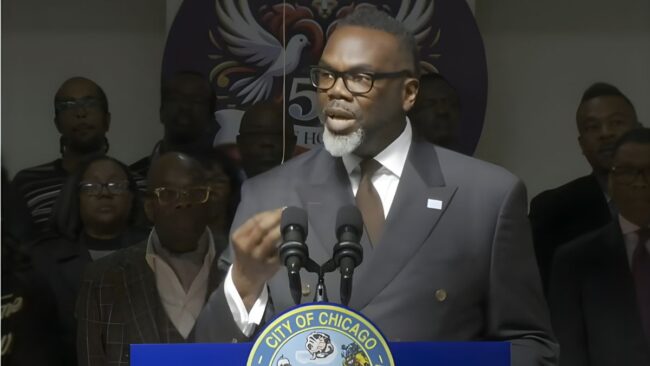
“Public safety is about more than responding to emergencies—it’s about investing in people, strengthening communities, and preventing harm before it happens,” said Mayor Brandon Johnson. “Through this coordinated summer initiative, we are bringing lifesaving resources directly into neighborhoods, supporting residents in moments of crisis, and working alongside community partners to build safer and healthier communities across Chicago.”
“Our communities face serious, preventable harms every summer,” said Miao Jenny Hua, MD, PhD, MPH, Incident Commander of the 2026 SIP-ICS and Medical Director and Deputy Commissioner of Behavioral Health at CDPH. “By treating overdose and gun violence as the interconnected public health crises they are and applying the discipline of an Incident Command System, we are able to act faster, deploy smarter, and reach the people who need us most.”
CDPH’s 2026 Summer Injury Prevention Incident Command System (SIP-ICS) will focus on expanding outreach, strengthening coordination with community partners, and increasing access to lifesaving tools and services to provide residents with a stronger on-the-ground presence and more direct pathways to help.
“Every Chicagoan deserves to enjoy their summer—to be outside, gather with family, and feel safe in their neighborhood,” said CDPH Acting Commissioner Fikirte Wagaw. “Too many communities continue to experience the devastating impacts of gun violence, opioid overdoses, and untreated behavioral health needs. This initiative is our commitment to change that by bringing resources directly to the people who need them most so that more Chicagoans can thrive.”
Trained outreach teams will canvass neighborhoods door-to-door this year, providing residents with naloxone (Narcan®) and the education needed to recognize and respond to an opioid overdose. Engagement teams will extend this work throughout evenings, weekends, holidays, at community events, and at summer festivals.
Community-based drug checking services remain a central component of the initiative. These services help CDPH and its partners monitor Chicago’s evolving drug supply, identify emerging substances of concern, and respond quickly to overdose spikes. Using rapid spectroscopy technology, trained technicians can analyze drug samples within minutes and identify dangerous adulterants circulating in the local supply.
During the 2025 summer initiative, partner organizations processed more than 1,000 samples, contributing to one of the most comprehensive analyses of Chicago’s illicit drug supply to date. Information gathered through this work also informs public health alerts distributed through CDPH’s Health Alert Network. Read the most recent HAN alert: Street Drug Surveillance Update – June 1, 2026.
In partnership with the Mayor’s Office of Community Safety and community-based organizations, CDPH supported more than 500 safe space activations in 2025 and plans to continue supporting Community Activation in 2026. These activations bring community partners and community health workers directly into neighborhoods to de-escalate conflicts and provide mediation support before and after incidents of violence. This effort is carried out in close coordination with the Department of Family and Support Services (DFSS), the Department of Cultural Affairs and Special Events (DCASE), the Office of Emergency Management and Communications (OEMC), and other City partners to align outreach, emergency response, community programming, and supportive services in neighborhoods most impacted by violence and overdose-related harm. Signature late-night programming, including sports tournaments, gaming nights, gun safety awareness workshops and other community events, will continue this summer to provide safe spaces for young people and strengthen neighborhood connections.
This summer, CDPH is expanding several programs that connect residents to care, recovery support, crisis response, and victim services, including:
Emergency Supplemental Victims’ Fund
Provides emergency financial assistance to survivors and families impacted by gun violence, including help with funeral and burial expenses, relocation support, and connections to stabilization services. The fund recently increased its baseline stipend from $1,000 to $2,000 for eligible residents.
Chicago Bridge Program
Provides recovery coordination for individuals seen in the emergency department following an overdose. Piloted across eight Chicago safety net hospitals, the program connects patients to treatment and long-term recovery support services before they leave the hospital.
Field-Based Care Models
Provide innovative street-based psychiatric treatment and linkages to care for individuals experiencing homelessness and behavioral health crises. Teams operate across encampments, shelters, and transient locations throughout the city, including the CTA bus and train system.
Crisis Assistance Response and Engagement (CARE)
Sends behavioral health professionals and emergency medical technicians as an alternative to police response for residents experiencing a mental health crisis. Following a May 13 announcement by Mayor Brandon Johnson and CDPH, CARE services are now available in every Chicago community.
In addition to summer programming, CDPH offers free, year-round resources and services to support residents’ health, safety, and well-being, including:
Mental Health Care and Wellness Services
City of Chicago Mental Health Clinics are open to all residents, regardless of ability to pay or immigration status. Through collaboration with the Chicago Department of Cultural Affairs and Special Events (DCASE), free Healing Arts Chicago creative classes focused on mental health and wellness are also available at clinic locations. Residents can find a clinic or explore CDPH’s network of partner providers at chicago.gov/mentalhealthclinics.
Behavioral Health Trainings
CDPH offers a variety of in-person and virtual trainings that help Chicagoans recognize suicide warning signs, support someone in crisis, administer naloxone, and safely store firearms using gun locks. Registration information is available at chicago.gov/behavioralhealth.
Naloxone and Harm Reduction Resources
Naloxone is available at all Chicago Public Library branches and through accessible community newsstands in Uptown, as well as eight recently launched locations in Humboldt Park and Albany Park. CDPH also operates five public health vending machines that dispense naloxone, drug testing kits, personal hygiene items, and other wellness essentials at no cost. Residents can learn more about vending machine locations at chicago.gov/vendingmachines and locate naloxone near them at bit.ly/FindNarcan.
Residents seeking support can also access the following resources 24 hours a day, seven days a week:
- Call or text 988 for suicide and crisis support.
- Call 211 or visit 211metrochicago.org for help navigating community resources and health services.
- Call Medication-Assisted Recovery (MAR NOW) at 833-234-6343 to connect with opioid use disorder treatment and recovery support.
- Call NAMI Chicago at 833-626-4244 (833-NAMI-CHI) or visit namichicago.org/helpline for support with trauma and other distressing challenges.
For life-threatening emergencies, call 911.