
New Policies Focus on Cost Containment, Serving Vulnerable Populations, and Statewide Equity
The Illinois Housing Development Authority (IHDA) has published its 2027-2028 Qualified Allocation Plan (QAP), which establishes the rules and criteria governing Illinois’ Low-Income Housing Tax Credit (LIHTC) program, the state’s primary tool for financing the creation and preservation of affordable housing. The new QAP is part of Governor Pritzker’s broader housing strategy to address Illinois’ housing from multiple facets: maximizing limited federal resources for affordable housing while also supporting the conditions needed for more homes of all types to be built in communities across the state. Together, these efforts advance the goal of ensuring every Illinoisan has access to safe, stable, and affordable housing.
“Affordable housing builds stronger communities and ensures families, seniors, and people with disabilities can live stable and dignified lives,” said Governor JB Pritzker. “This Qualified Allocation Plan reflects extensive research, public engagement, and the realities of today’s housing market. By prioritizing cost containment, creative solutions, and equitable access to resources, Illinois is helping communities create and preserve income-restricted affordable homes while advancing a broader strategy to expand housing opportunity across the state.”
LIHTC is a pivotal federal program that incentivizes private investment in affordable housing. Developers leverage these credits by selling them to investors, generating equity that supplements other public and private financing. This public-private partnership is the leading financing tool for affordable housing production throughout the United States with many of these units remaining affordable for decades. Over the past five years, IHDA has utilized LIHTC to finance 147 developments, resulting in the creation or preservation of 7,541 much-needed affordable housing units.
IHDA conducted extensive research: reviewing academic studies, other states’ QAPs, and other industry resources to inform the drafting process, while also developing internal analyses to support data-driven decision making. IHDA also engaged directly with peer states to better understand comparative policy approaches and cost outcomes, helping ensure the new QAP reflects lessons learned across the country while remaining responsive to the needs of Illinois. Lastly, IHDA incorporated the feedback of more than 300 individuals and organizations to ensure that the QAP is responsive to the experiences of the local development community.
“As the state’s steward for this vital federal resource, our goal is to ensure tax credits are awarded responsibly and that total development costs remain appropriate,” said IHDA Executive Director Kristin Faust. “Through this new QAP, we are carefully balancing our dedication to providing high-quality affordable housing with the financial constraints present in today’s global economy. IHDA remains committed to researching new and innovative approaches to expand our ability to meet Illinois’ affordable housing needs.”
The 2027-28 QAP will guide IHDA’s allocation of LIHTC and help establish the policy priorities, design standards, and underwriting practices that shape affordable rental housing development across Illinois. The new QAP advances IHDA’s commitment to cost containment and creative solutions to affordable housing, support for vulnerable populations, and greater equity in housing investments statewide. As part of Illinois’ broader housing strategy, these changes are designed to help limited federal tax credit resources go further by encouraging cost-effective projects, higher unit production where feasible, and development models that can be replicated across Illinois. Key changes include:
- Updated allocation goals to promote a more equitable distribution of 9% LIHTC resources statewide;
- A Preliminary Project Assessment clarification process to help development teams better understand and meet program expectations;
- A simplified scoring structure organized around general scoring criteria and three policy tracks: Creative Solutions, Permanent Supportive Housing, and Targeted Markets;
- Expanded cost-containment incentives, including up to six points for projects that contain hard costs;
- A new Creative Solutions policy track that rewards preservation, density, innovative development models, and replicable approaches to creating and preserving affordable housing; and
- Updated tiebreaker criteria that prioritizes higher unit counts along with lower per-unit construction costs.
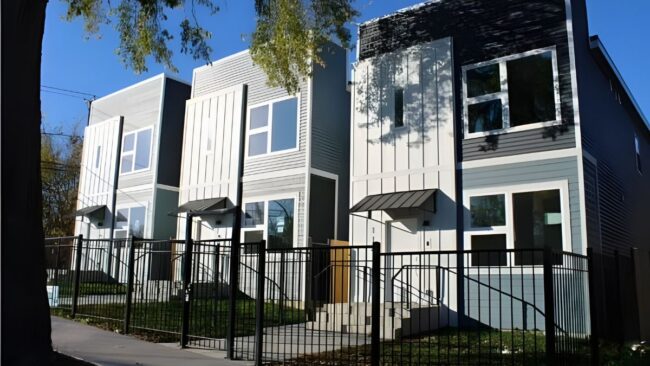
The Creative Solutions track also encourages development teams to test replicable approaches that can lower costs or shorten construction timelines, including modular, factory-built, and prefabricated construction techniques. The QAP also rewards meaningful partnerships with less-experiences affordable housing development entities, helping build a broader and more diverse pipeline of future affordable housing sponsors, as well as incentives for projects that adopt low-barrier tenant screening practices designed to expand access for people who face significant barriers to housing.
For members of the media, if you would like to speak with someone about the 2027-28 QAP, please contact Andrew Field at afield@ihda.org.
Additional information is available here and members of the development community may email QAPFeedback@ihda.org with specific QAP questions or comments