
Black Joy Ride Celebrates Juneteenth With 7th Annual Mass Bike Ride, Shining A Light On Housing Rights And Equitable Mobility
Divvy To Provide 35 Ebikes For The Ride
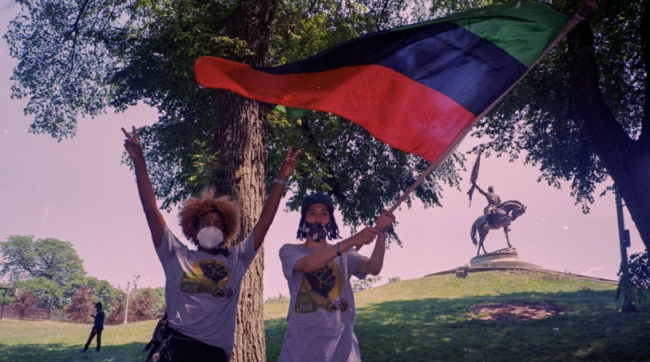
On June 20, the 7th Annual Juneteenth Black JoyRide will take place, bringing together cyclists, artists, musicians, community members, and advocates for an afternoon celebrating Black joy, freedom, mobility, and community connection.
This year’s ride will travel to the Juneteenth Jubilee Jam, a free community festival co-organized by Solo Sam and his B-EATS event series, Shawnee Dez and Black JoyRide, and sponsored by Mike’s Hot Honey. The ride will conclude at The Salt Shed at Elston Electric and Three Top Lounge, where attendees will join an afternoon of live music, food, and cultural celebration.
Participants of the Black JoyRide will gather at Arrigo Park (Lytle and Cabrini Streets) near the National Public Housing Museum. The starting location was intentionally selected to raise awareness about housing rights and equitable mobility, highlighting the importance of ensuring all people can safely access and move throughout their neighborhoods and cities.
Event Details
June 20, 2026 7th Annual Juneteenth Black JoyRide Bike Ride –
- Start Location: Arrigo Park (Lytle & Cabrini), Chicago
- Meet Time: 1:30 PM
- Roll Out: 2:00 PM
- End Location: The Salt Shed
Juneteenth Jubilee Jam (event details) –
- Festival Start Time: 3:00 PM – 10 PM
- Location: Three Top Lounge and Elston Electric at The Salt Shed
- Admission: Free with RSVP
The Juneteenth Jubilee Jam will feature performances from Dreamer Isioma, Shawnee Dez, Solo Sam, M.E.H., Jay Wood, Odd Couple, and additional DJs and special guests throughout the afternoon.
In addition to live performances, attendees can enjoy food from Chicago-based vendors, including ALAASE, MAHARI, and Fat Plate Fridays.
“Black JoyRide is about celebrating freedom through movement, community, and collective joy, all are welcomed, from all backgrounds and ethnicities,” said Shawnee Dez, founder of Black JoyRide. “Starting near the National Public Housing Museum is significant because it allows us to recognize the ongoing importance of housing injustice and mobility while creating space for people to gather, ride, and unify for collective freedom.”
Organizers believe free, accessible cultural events are essential to building community and ensuring that everyone can experience high-quality music, food, and cultural programming regardless of financial barriers.