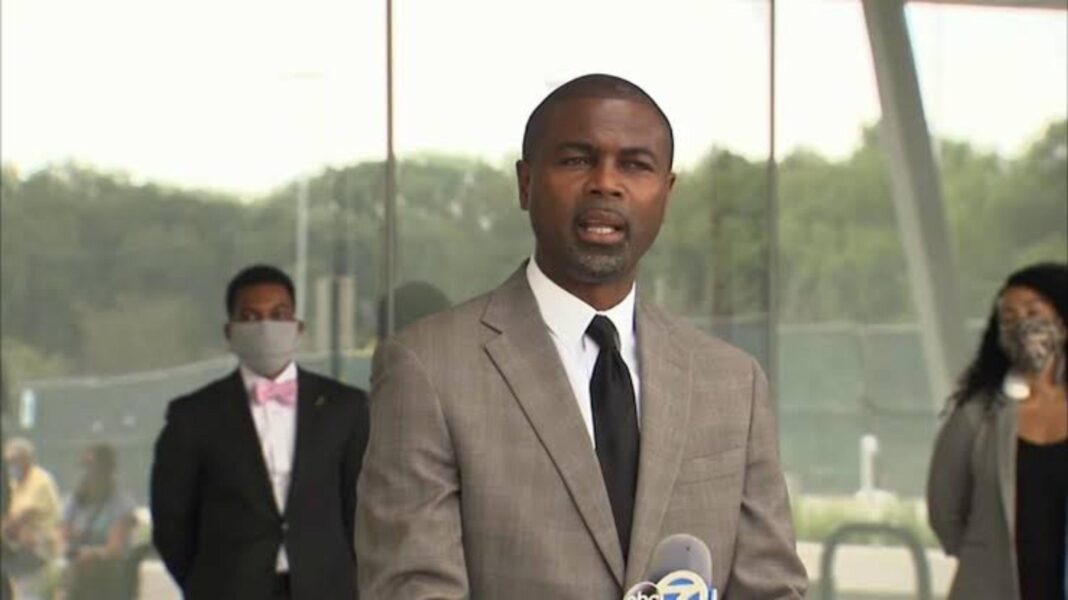

State Rep. La Shawn K. Ford, D-Chicago, is partnering with local public health organizations, elected officials, and researchers from Brown University to highlight new research on the efficacy of overdose prevention sites (centers) in reducing preventable overdose deaths and improving public health outcomes.
“Although some of the most notorious open-air drug markets are on the West Side of Chicago, the problem does not stay local. That’s why a majority of West Side residents support overdose prevention sites, which are grounded in scientific evidence and help reduce harm,” said Ford. “Opioid abuse has devastated families in every region, and it’s up to us to take a smart, public-health-driven, and compassionate approach to tackling this issue.”
Ford, who is sponsoring House Bill 2929—legislation to authorize a state-sanctioned overdose prevention site pilot program in Illinois—is partnering with researchers from Brown University, a public health expert from Rush University, community leaders from the West Side Heroin/Opioid Task Force, and other local elected officials to highlight the need for overdose prevention sites at a press conference on May 11 at Rush University Medical Center.
The pilot program will be kick-started with an $18 million allocation from the Illinois Opioid Remediation Advisory Board, which manages a portion of the state’s opioid settlement funds from litigation against opioid manufacturers, with additional support and oversight provided by relevant state agencies.
“Simply put: these centers save lives—whether it’s through on-site medical staff reversing overdoses before they become fatal or a social worker connecting an individual to a service provider,” said Ford. “While they alone cannot cure someone of addiction, they save lives by meeting people where they are and treating them like patients instead of criminals.”