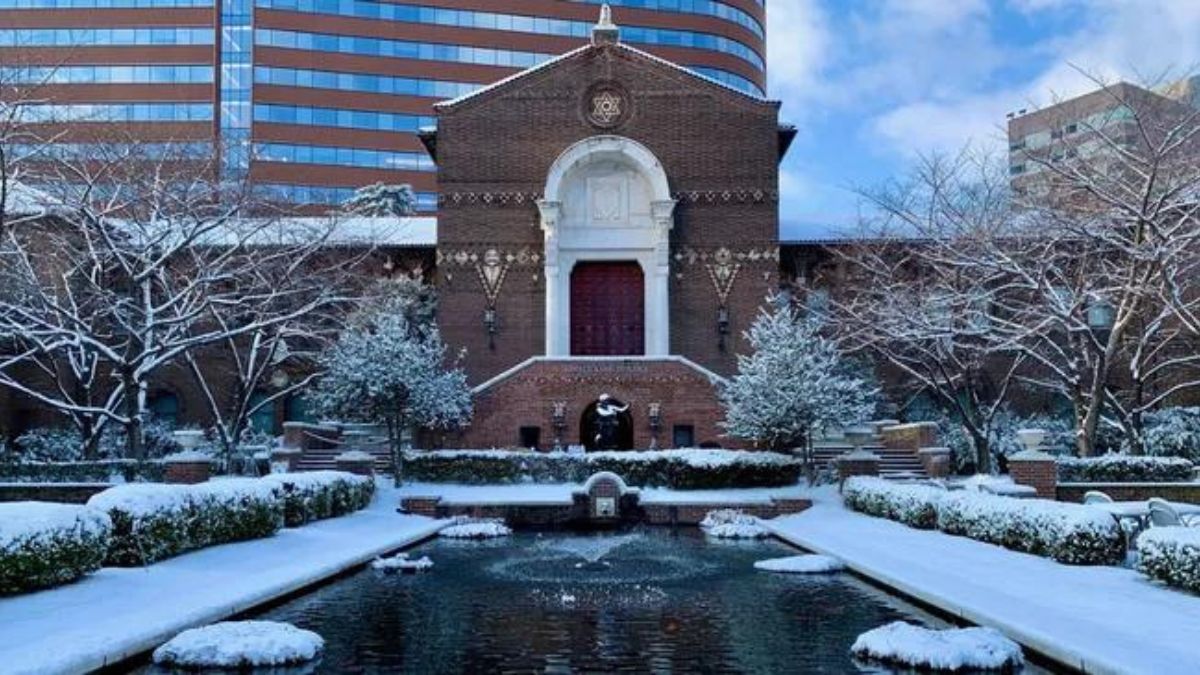

The University of Pennsylvania is facing backlash after its museum headed a burial of the bones of 19 Black Philadelphians whose skulls were used for racist scientific practices in the 19th century.
On Saturday (Feb. 3), the Ivy League school held a memorial service in tribute to the Black people whose skulls were unethically collected and used for research conducted by physician Samuel G. Morton in the 1830s, per the New York Post. Morton collected over 900 crania in Philadelphia, including from institutions that housed Black people who were poor and had mental health issues.
His research aimed to prove that Black people were a different race of humans than white people. Many argue that Morton’s work fueled medical racism that still permeates the U.S. today.
“Medical racism can really exist on the back of that,” Lyra Monteiro, an anthropological archaeologist professor at Rutgers University, said. “His ideas became part of how medical students were trained.”
The University of Pennsylvania Museum of Archaeology and Anthropology had displayed the remains of individuals subjected to racist medical practices on display since 1966. University officials moved to have an above-ground burial for 19 Black Philadelphians in Eden Cementary, a historic Black cemetery in Darby, Pennsylvania, in an effort to right the wrongs of the past.
“Repatriation should be part of what the museum does, and we should embrace it,” Christopher Woods, the museum’s director, said.
However, local activists said officials rushed the burial plans, making them before identifying the remains and without community input.
“They never did any research themselves on who these people were, they took Morton’s word for it,” Monteiro said. “The people who aren’t even willing to do the research should not be doing this.”
The Black Philadelphians Descendant Community Group, an organization of people who identify themselves as descendants of the 19 individuals, said they were “devastated and hurt” that the burial took place without them.
“In light of this new information, they are taking time to process and consider how best to honor their ancestors at a future time,” the group said in a statement.
Penn Museum released a statement addressing the burial.
“To balance prioritizing the human dignity of the individuals with conservation due diligence and the logistical requirements of Historic Eden Cemetery, laying to rest the 19 Black Philadelphians was scheduled ahead of the interfaith ceremony and blessing,” the museum said.
The Black Information Network is your source for Black News! Get the latest news 24/7 on The Black Information Network. Listen now on the iHeartRadio app or click HERE to tune in live.