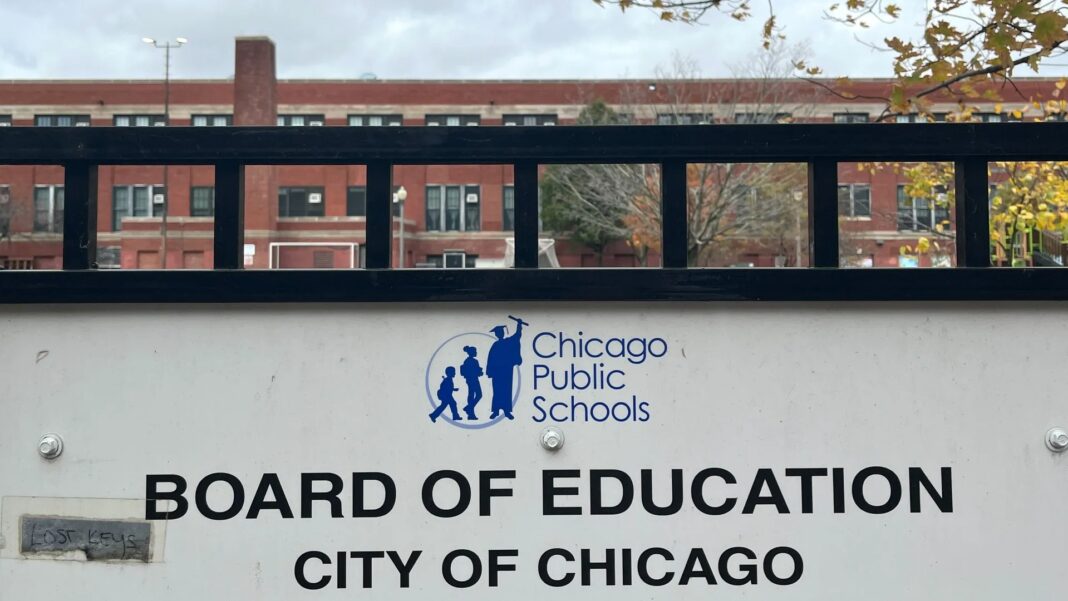

With a school closure moratorium nearing its end and financial pressures mounting, the city’s first fully elected board faces decisions that could reshape public education
The future of neighborhood schools on Chicago’s South and West Sides could soon be back on the table, as the city’s first fully elected Board of Education prepares to take control of a school district facing financial uncertainty, declining enrollment and an approaching deadline on school closures.
The new board takes office in January, just as a moratorium on closing Chicago Public Schools buildings approaches its expiration. No new closure plan has been announced, but the issue is expected to become one of the board’s most consequential early decisions.
The debate carries particular weight in Black neighborhoods still dealing with the consequences of the 2013 closure of nearly 50 elementary schools, many located on the South and West Sides.
Enrollment has continued to decline across the district, falling by approximately 11,500 students this school year to its lowest level in more than two decades. Financial pressures have also raised questions about how CPS will maintain academic programs, staffing and underenrolled buildings.
The incoming board will have to navigate those challenges without a clear political consensus.
Jessica Biggs declared victory Tuesday in the race for board president, defeating Chicago Teachers Union-backed Hilario Dominguez and attorney Victor Henderson. Candidates supported by competing education organizations also won seats, leaving the board divided over spending, charter schools and the future of neighborhood campuses.
Four district races remained too close to call as ballots continued to be counted.
The Chicago Teachers Union has pushed to extend the school closure moratorium, arguing that closing neighborhood schools disproportionately harms Black and Latino students. Other education advocates have called for a broader examination of underused buildings and the district’s financial responsibilities.
According to Chalkbeat Chicago, only six presumed incoming board members have expressed support for closing schools, suggesting that any attempt to shutter campuses could face considerable resistance.
But the board’s responsibilities extend beyond deciding which buildings remain open. Members will also determine how resources are distributed, whether struggling schools receive additional support and how the district addresses its ongoing financial challenges.
Biggs will have authority to set the board’s agenda, but she will need support from other members to advance major decisions.
The first months of the new board’s tenure will offer an early measure of whether elected leadership changes how Chicago makes decisions about public education.
For families whose neighborhood schools have already experienced years of enrollment losses and uncertainty, the outcome will be measured less by political alliances than by what happens inside their children’s classrooms.