
Chicago voters are about to make history.
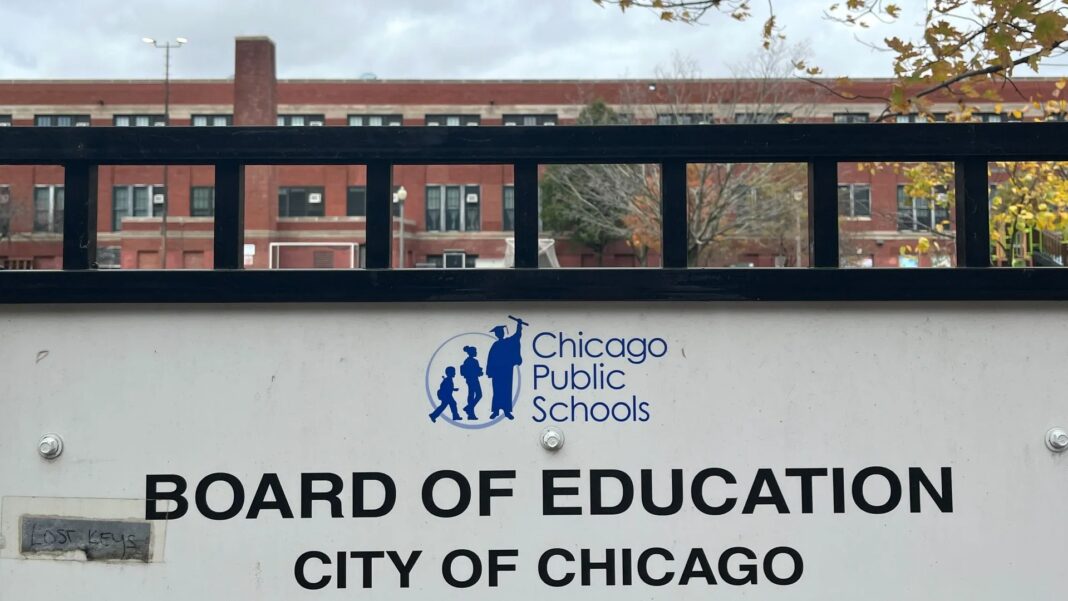
For the first time, every seat on the Chicago Board of Education will be decided by voters, ending the city’s long era of a school board controlled through mayoral appointments. On Nov. 3, Chicagoans will elect 20 district representatives and, separately, a citywide school board president.
The change is more than procedural. The people elected this fall will help oversee Chicago Public Schools, a district serving roughly 305,000 students across more than 600 schools, and will have a direct say in decisions involving the district’s budget, leadership, property taxes and long-term priorities.
Every eligible Chicago voter gets two school board votes: one for the representative in their geographic district and another for board president. Early voting expanded to all 50 wards on Oct. 19, with Election Day set for Nov. 3.
The citywide president’s race has narrowed to three active candidates: Jessica Biggs, a current board member and former CPS principal; Hilario Dominguez, a former special education teacher and former deputy political director for the Chicago Teachers Union; and Victor Henderson, an attorney and former certified public accountant. Sendhil Revuluri suspended his campaign last month but will still appear on the ballot because the ballot had already been finalized.
The president will hold significant power. In addition to running board meetings and representing the board publicly, the president will have sole responsibility for setting monthly meeting agendas, giving the office substantial influence over which issues come before the full board for discussion and possible action.
Across the city, voters will also choose representatives in 20 school board districts stretching from the Far North Side to the Far South Side and through communities on the West Side. Several races include two or three candidates, while a handful feature candidates running unopposed or facing write-in challengers.
The election comes at a consequential moment for CPS. Candidates are being asked how they would approach declining enrollment, academic performance, school closings and a district facing significant financial challenges. Those questions were among the issues raised during a recent forum featuring the candidates for board president.
Money has also become a major part of the race. A recent Sun-Times and WBEZ analysis found that outside groups backed by wealthy donors have significantly outraised and outspent the Chicago Teachers Union in the school board contests, with much of that spending focused on the race for president.
For Chicago families, however, the stakes ultimately come back to what happens inside neighborhood schools.The next board will make decisions affecting everything from school budgets and staffing to district leadership and how CPS responds to enrollment changes. For communities on the South and West Sides, where debates over school investment, closures and access have been especially consequential for generations, the move to a fully elected board gives residents a new and more direct role in deciding who holds that power.
Voters can identify their school board district and review candidates through the citywide voter guide produced by WBEZ, the Chicago Sun-Times, Chalkbeat and Block Club Chicago. Chicago School Board Voter Guide
Election Day is Tuesday, Nov. 3. Early voting is already underway across Chicago.